
Baklava Strain: Genetics, Effects, Flavor & THCA Flower
Sep 9th 2026
What Is Baklava Strain? Genetics, Effects, Flavor & THCA Flower
Baklava is a cannabis cultivar associated with Kosher Kush and Gelato #41 genetics, known for its pungent OG-style gas aroma, creamy and sweet flavor character, resin-rich flowers, and commonly reported relaxing effects.
The strain stands out because it combines the classic Kush influence of Kosher Kush with the sweet, dessert-like qualities associated with Gelato #41. This creates a layered profile that can appeal to consumers who enjoy gassy, earthy flower with creamy, sweet, and spicy undertones.
Baklava is closely associated with Alien Labs, which identifies its version as an indica cultivar. However, cannabis databases and product listings may classify Baklava differently, so classification can vary depending on the source and specific product. In this guide, we'll explore Baklava Strain genetics, appearance, flavor, aroma, terpenes, commonly reported effects, and what to know about Baklava THCA Flower.
What Is Baklava Strain?
Baklava is a cannabis cultivar associated with Kosher Kush × Gelato #41 genetics. Its profile combines the earthy, pungent characteristics of Kush genetics with the sweeter and creamier qualities associated with Gelato #41.
The strain is closely associated with Alien Labs, which lists Kosher Kush and Gelato #41 as the parent genetics of its Baklava cultivar.
Its most recognizable characteristics include a strong OG-style gas aroma, creamy sweetness, earthy depth, and resin-rich flowers. The cultivar is also commonly associated with limonene, myrcene, and beta-caryophyllene.
It's worth noting that Baklava is a name used for more than one cannabis cultivar. The profile discussed in this guide refers primarily to the Alien Labs Baklava associated with Kosher Kush and Gelato #41. Different products using the Baklava name may have different genetics and characteristics.
Because cannabis characteristics can vary between phenotypes, growers, and individual batches, not every Baklava product will have exactly the same appearance, aroma, cannabinoid levels, or terpene concentrations.
Baklava Strain Genetics and Lineage
Baklava's lineage is generally described as Kosher Kush crossed with Gelato #41. These two parent cultivars contribute different characteristics to the resulting flower.
Kosher Kush
The Kosher Kush side of the lineage helps explain Baklava's earthy, pungent, and traditional Kush character.
Kush genetics are often associated with deep earthy aromas, fuel-like notes, and a heavier aromatic profile. This influence provides much of the foundation for Baklava's recognizable OG-style character.
Gelato #41
Gelato #41 contributes sweeter and more dessert-like qualities to the Baklava profile.
Its influence can add creamy, sweet, and aromatic characteristics that complement the stronger Kush and gas notes. Gelato #41 is also associated with dense, visually appealing flowers and strong resin production.
How the Genetics Shape Baklava
The combination of Kosher Kush and Gelato #41 creates a profile that blends OG gas with creamy Gelato sweetness.
This contrast is one of Baklava's defining characteristics. Instead of being dominated by one simple aroma, the strain can move between pungent gas, earth, spice, sweetness, and creamy dessert-like notes.
What Does Baklava Strain Look Like?
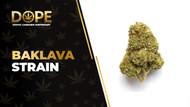
Baklava flowers are commonly described as dense and resin-rich, with noticeable trichome coverage.
The buds can display vibrant green tones with orange or yellow pistils, while heavy trichome coverage can give mature flowers a frosty appearance.
The resin production associated with Baklava adds to its visual appeal and can contribute to the strong aromatic character of the flower.
However, appearance can vary between batches. Genetics, cultivation conditions, harvest timing, curing, and storage can all influence the final appearance of Baklava flower.
What Does Baklava Strain Taste and Smell Like?
Baklava is known for a combination of OG-style gas, earthy, spicy, creamy, sweet, and dessert-like characteristics.
The aroma can begin with a strong pungent and fuel-forward character before developing sweeter and creamier notes. Some descriptions also associate the cultivar with citrus and berry nuances.
Commonly associated Baklava flavor and aroma notes include:
- Gas or fuel
- Earth
- Spice
- Cream
- Vanilla
- Sweetness
- Citrus
- Berry
The exact balance can differ between products. Some batches may emphasize the pungent Kush and gas side, while others can bring forward the sweeter and creamier Gelato influence.
This layered profile is one reason Baklava can stand out among Kush- and Gelato-influenced cultivars.
Baklava Strain Terpene Profile
Terpenes are naturally occurring aromatic compounds that contribute to the smell and flavor of cannabis. Baklava is commonly associated with limonene, myrcene, and beta-caryophyllene.
Limonene
Limonene is commonly associated with citrus aromas. Its presence can contribute brightness to the sweeter and citrus-like characteristics that may appear in Baklava's aromatic profile.
Myrcene
Myrcene is associated with earthy, herbal, and musky aromatic characteristics. It can add depth to Baklava's pungent Kush and fuel-forward notes.
Beta-Caryophyllene
Beta-caryophyllene is commonly associated with spicy, peppery, and woody aromas. It can complement the earthy, spicy, and gassy qualities associated with Baklava.
Terpene concentrations are not necessarily identical across every Baklava product. If you are evaluating a specific batch, its current laboratory report provides more useful information than a general strain description.
What Are the Effects of Baklava Strain?
Baklava is commonly described as having a relaxing and full-body character, although consumer experiences can vary.
Some reports also associate the strain with feelings such as euphoria, happiness, focus, creativity, and a tingly sensation. The balance between mental and physical effects can depend on the individual, product composition, cannabinoid concentration, and consumption method.
Commonly reported characteristics include:
- Relaxation
- Euphoria
- Happiness
- Tingly sensations
- Focus
- Creativity
- Uplifted feelings
These are descriptions of reported experiences, not guaranteed effects. Cannabis can affect different people in different ways, so consumers should consider their own tolerance and the specific characteristics of the product they are evaluating.
What Is Baklava THCA Flower?
Baklava THCA Flower is flower sold under the Baklava cultivar name that contains THCA in its unheated form.
THCA, or tetrahydrocannabinolic acid, is a naturally occurring cannabinoid found in raw cannabis and hemp flower. When exposed to heat, THCA can undergo decarboxylation and convert into THC.
When evaluating Baklava THCA Flower, it is important to distinguish general strain characteristics from the specifications of a particular product.
Different growers and batches can have different cannabinoid and terpene profiles. Cultivation methods, harvest timing, curing, storage, genetics, and other factors can influence the final composition.
Before choosing a specific Baklava THCA Flower product, look for:
- Current third-party laboratory testing
- Batch-specific cannabinoid information
- Available terpene information
- Clear product specifications
- Appropriate storage and freshness information
This is particularly important with Baklava because the name can refer to different cultivars. Checking the product's genetics and laboratory information can help determine whether it matches the specific Baklava profile you are looking for.
What Makes Baklava Strain Different?
Baklava's main distinction comes from the combination of Kosher Kush and Gelato #41 genetics.
The resulting profile brings together pungent OG-style gas and earthy Kush characteristics with creamy sweetness and dessert-like Gelato qualities. Its dense, resin-rich appearance and commonly reported relaxing character add further distinction.
| Characteristic | Baklava Strain |
|---|---|
| Genetics | Kosher Kush × Gelato #41 |
| Type | Indica / classification can vary by source |
| Flavor | Gas, earth, spice, cream, sweetness and vanilla |
| Aroma | Pungent gas, earthy, spicy and creamy |
| Associated terpenes | Limonene, myrcene, beta-caryophyllene |
| Commonly reported character | Relaxed, euphoric, happy and tingly |
| Appearance | Dense, resin-rich flowers |
This makes Baklava particularly interesting for consumers who enjoy complex profiles that combine traditional Kush gas with sweeter Gelato-inspired characteristics.
Is Baklava Strain Right for You?
Baklava may appeal to consumers who enjoy gassy, earthy, spicy cannabis flavors combined with creamy and sweet undertones.
It can also be an interesting option for people who prefer Kush- and Gelato-influenced cultivars with dense flowers and strong aromatic profiles.
If traditional OG-style gas is your preferred flavor characteristic, the Kosher Kush influence may be particularly appealing. Consumers who enjoy sweeter, creamy, dessert-inspired profiles may also appreciate the contribution of Gelato #41.
The best way to evaluate a specific Baklava product is to look at its current product information and laboratory results rather than relying solely on general strain descriptions.
Frequently Asked Questions About Baklava Strain
What is Baklava Strain?
Baklava is a cannabis cultivar associated with Kosher Kush and Gelato #41 genetics, particularly the Alien Labs version. It is known for gassy, earthy, spicy, creamy, and sweet aromatic characteristics.
What are the genetics of Baklava?
The Alien Labs Baklava cultivar is generally described as a cross between Kosher Kush and Gelato #41. These genetics contribute to its combination of OG-style gas, earth, spice, sweetness, and creamy dessert-like notes.
Is Baklava indica or sativa?
The Alien Labs version of Baklava is identified as an indica, while some cannabis databases and product listings classify Baklava as a hybrid. Classification can therefore vary depending on the specific source or cultivar being referenced.
What does Baklava taste like?
Baklava can feature gassy and earthy flavors alongside spice, cream, vanilla, and sweetness. Some products may also display citrus or berry characteristics.
What does Baklava smell like?
Baklava commonly has a pungent OG-style gas aroma with earthy and spicy characteristics. The Gelato #41 influence can add sweeter and creamier aromatic notes.
What are the effects of Baklava?
Commonly reported experiences include relaxation, euphoria, happiness, tingling, focus, and creativity. Individual responses vary, so these descriptions should not be treated as guaranteed effects.
What terpenes are found in Baklava?
Baklava is commonly associated with limonene, myrcene, and beta-caryophyllene. These terpenes contribute citrus, earthy, herbal, spicy, and woody aromatic characteristics.
What is Baklava THCA Flower?
Baklava THCA Flower refers to flower marketed as the Baklava cultivar that contains THCA in its unheated form. Cannabinoid and terpene levels can vary between growers and batches, making current laboratory results important when evaluating a specific product.
Is Baklava the same as Baklawa?
Baklava and Baklawa are commonly used spellings of the name, but the cannabis market also uses the Baklava name for different cultivars. When comparing products, check the listed genetics to confirm which Baklava cultivar is being offered.
Final Thoughts on Baklava Strain
Baklava combines Kosher Kush and Gelato #41 genetics to create a distinctive profile built around OG-style gas, earth, spice, creamy sweetness, and dessert-like characteristics.
Its dense, resin-rich flowers and commonly reported relaxing and euphoric character make it an interesting cultivar for consumers who enjoy complex Kush- and Gelato-influenced profiles.
For anyone exploring Baklava THCA Flower, the strain's genetics, flavor, aroma, and terpene profile provide a useful starting point. Because the Baklava name can be associated with different cultivars and product batches can vary, always check the specific product information and current laboratory results for the most accurate details.