
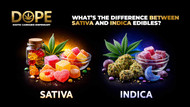
What’s the difference between sativa and indica edibles?
Mar 9th 2026
What’s the Difference Between Sativa and Indica Edibles? (Complete 2026 Guide)
Cannabis edibles have become one of the fastest-growing segments in the global cannabis industry. Consumers increasingly prefer edibles because they offer a discreet, smoke-free, and long-lasting cannabis experience. Many edible products are labeled sativa, indica, or hybrid, which often raises questions about their actual differences. Understanding how these categories affect edible products helps consumers choose the right experience for daytime productivity, relaxation, or sleep support.
Although these labels originally described plant varieties, modern cannabis science shows that the effects of edibles depend more on cannabinoids, terpene profiles, and dosage than on plant classification alone. However, the sativa versus indica distinction still helps many users understand the general experience they may expect from different edible products.
Understanding Cannabis Edibles
Cannabis edibles are foods or beverages infused with cannabinoids extracted from the cannabis plant. These products commonly include gummies, chocolates, cookies, beverages, capsules, and oils. Unlike smoking or vaping cannabis, edibles deliver cannabinoids through the digestive system rather than the lungs.
When someone consumes an edible, the cannabinoids travel through the stomach and small intestine before entering the bloodstream. This digestive process causes edibles to have a slower onset but longer duration compared with inhaled cannabis. Most users begin feeling effects within 30 to 120 minutes, depending on metabolism, stomach contents, and product potency.
Once absorbed, the liver converts THC into a compound called 11-hydroxy-THC, which often produces stronger and longer-lasting effects than inhaled cannabis. Because of this metabolic process, edible experiences typically last four to eight hours or longer. This extended duration is one reason many consumers choose edibles for relaxation or sustained effects.
Key Characteristics of Cannabis Edibles
- Slower onset compared with smoking or vaping
- Longer duration of effects
- More potent metabolic conversion of THC
- Discreet and smoke-free consumption
- Consistent dosing in regulated products
These characteristics make edibles popular among both recreational consumers and individuals seeking wellness-related benefits.
What Are Sativa and Indica in Cannabis?
Sativa and indica are traditional categories used to describe different cannabis plant types. Historically, cannabis plants were classified based on their physical appearance, geographic origin, and growth patterns.
Sativa plants tend to grow taller and have narrow leaves, while indica plants are typically shorter with broader leaves and denser buds. Over time, consumers began associating each type with specific psychological and physical effects.
However, modern cannabis cultivation has produced thousands of hybrid strains that combine genetics from both plant types. As a result, many experts believe that chemical composition matters more than plant classification when predicting cannabis effects.
Despite these scientific developments, the sativa and indica labels remain widely used in dispensaries and edible product descriptions.
Traditional Differences Between Sativa and Indica
- Sativa is generally associated with energizing effects.
- Indica is generally associated with relaxing effects.
- Sativa strains are often recommended for daytime use.
- Indica strains are commonly recommended for evening use.
These general guidelines help consumers navigate cannabis products, even though individual experiences may vary.
What Are Sativa Edibles?
Sativa edibles are cannabis-infused foods made using extracts derived from sativa-dominant cannabis strains. These products are commonly marketed as uplifting or energizing edibles, making them popular for daytime consumption.
Consumers often choose sativa edibles when they want to maintain mental clarity while still enjoying the psychoactive effects of THC. The experience is typically described as a cerebral or head-focused high that enhances mood and creativity.
Effects Commonly Associated With Sativa Edibles
Sativa-dominant edible products are often linked to stimulating psychological effects rather than heavy physical sedation. Many users report feeling more alert, motivated, and mentally engaged after consuming these products.
Mental Stimulation
Sativa edibles are frequently associated with increased mental activity and heightened curiosity. This mental stimulation may support creative thinking and imaginative problem-solving.
Enhanced Mood
Many consumers describe sativa edibles as mood-lifting products. The uplifting sensation can create a feeling of positivity and emotional balance.
Increased Energy
Sativa-dominant edibles are often chosen for daytime use because they may promote motivation and alertness. Some individuals report improved focus during social events, creative work, or outdoor activities.
Social Engagement
Some consumers feel more talkative and socially confident after consuming sativa edibles. This effect may contribute to their popularity in group settings.
Key Points About Sativa Edibles
- Often associated with uplifting experiences
- Commonly used during the daytime
- May support creativity and focus
- Usually described as producing a cerebral high
Although these effects are widely reported, the actual experience depends on factors such as dosage, cannabinoid ratios, and individual tolerance.
What Are Indica Edibles?
Indica edibles are cannabis-infused foods made using extracts derived from indica-dominant cannabis strains. These products are commonly marketed as relaxing or calming edibles, which makes them popular for evening or nighttime use.
Indica edibles are often chosen by consumers seeking physical relaxation or stress relief. The experience is typically described as a body-focused high that promotes calmness and tranquility.
Effects Commonly Associated With Indica Edibles
Indica-dominant edibles are frequently linked to soothing physical sensations rather than stimulating mental effects. Many consumers report deep relaxation and reduced physical tension after consuming these products.
Physical Relaxation
Indica edibles often produce a calming effect throughout the body. This sensation may feel warm, heavy, or soothing.
Stress Reduction
Many individuals use indica edibles to unwind after a long day. The calming properties can help reduce feelings of mental stress and physical tension.
Sleep Support
Indica-dominant products are widely associated with sleep support. Consumers often choose these edibles in the evening to encourage relaxation before bedtime.
Muscle Comfort
Some users report that indica edibles provide a comforting sensation in the body. This effect may help ease physical discomfort or fatigue.
Key Points About Indica Edibles
- Often associated with relaxation and calmness
- Commonly used in the evening or at night
- Frequently described as producing a body high
- May promote sleep and stress relief
Because edible effects last several hours, many people prefer indica products for nighttime use.
Key Differences Between Sativa and Indica Edibles
Although the experience can vary depending on the product formulation, several general differences distinguish sativa and indica edible products.
Type of High
Sativa edibles typically produce a mental or cerebral experience that emphasizes mood enhancement and cognitive stimulation. In contrast, indica edibles often produce a physical or body-focused experience characterized by relaxation.
Ideal Time of Use
Sativa edibles are commonly used during the daytime because they may support energy and creativity. Indica edibles are usually consumed in the evening because they may promote calmness and sleepiness.
Psychological Versus Physical Effects
Sativa products are often associated with psychological stimulation, while indica products emphasize physical comfort and relaxation.
Consumer Intent
Consumers often choose sativa edibles for productivity or social interaction. In contrast, indica edibles are frequently chosen for unwinding and stress reduction.
Key Comparison Points
- Sativa edibles emphasize mental stimulation.
- Indica edibles emphasize physical relaxation.
- Sativa is often used during the day.
- Indica is commonly used at night.
These differences provide a simple framework for understanding how different edible products may feel.
Why Chemical Composition Matters More Than Labels
Modern cannabis science suggests that the traditional sativa-versus-indica classification does not fully explain how cannabis affects the body. Most cannabis products available today are hybrids created through decades of crossbreeding.
As a result, two products labeled “sativa” may contain completely different cannabinoid and terpene profiles. These chemical compounds are the primary drivers of cannabis effects.
Cannabinoids
Cannabinoids are active compounds found in cannabis that interact with the body’s endocannabinoid system.
The most important cannabinoids in edible products include:
- THC (tetrahydrocannabinol) – the compound responsible for psychoactive effects
- CBD (cannabidiol) – a non-intoxicating compound associated with calming properties
- The ratio between THC and CBD can significantly influence how an edible feels.
Terpenes
Terpenes are aromatic compounds responsible for the scent and flavor of cannabis. These compounds may also influence the overall cannabis experience.
Different terpene combinations can contribute to stimulating, relaxing, or balanced effects. Because terpene profiles vary widely between strains, they often play a major role in shaping edible experiences.
How Edibles Affect the Body
Edibles produce different effects from smoked cannabis because they undergo digestion and liver metabolism. When cannabinoids enter the digestive system, they are gradually absorbed into the bloodstream.
This slower absorption process produces a delayed onset compared with inhaled cannabis. However, once the cannabinoids enter the bloodstream, their effects often last much longer.
Why Edible Effects Are Stronger
The liver converts THC into a compound called 11-hydroxy-THC, which crosses the blood-brain barrier more efficiently than inhaled THC. This process can make edible experiences feel more intense.
Because of this metabolic conversion, even small doses of THC can produce noticeable effects in edible form.
Hybrid Edibles: A Balanced Alternative
Many modern edible products are labeled as hybrid edibles, which combine characteristics associated with both sativa and indica strains.
Hybrid products are designed to provide balanced effects that include mild mental stimulation and moderate physical relaxation. This balance makes hybrid edibles popular among consumers seeking a moderate cannabis experience.
Hybrid formulations also allow manufacturers to create specific effect profiles tailored to different consumer needs.
Choosing the Right Edible for Your Needs
Selecting the right edible product depends on personal preferences, lifestyle, and tolerance level. Understanding your goals helps determine whether a sativa, indica, or hybrid edible may be more suitable.
Choose Sativa Edibles If You Want
- Daytime energy and focus
- Creative inspiration
- Enhanced social experiences
- Mood elevation
Choose Indica Edibles If You Want
- Relaxation after a long day
- Stress reduction
- Evening calmness
- Improved sleep support
Because individual responses to cannabis vary, experimentation with low doses is often necessary to determine the best product.
Safe Dosing Guidelines for Edibles
Edible dosing should always be approached carefully, especially for beginners. Cannabis edibles can feel stronger than expected because of their delayed onset.
Experts generally recommend starting with a low THC dose of 2.5 to 5 milligrams for new users. After consuming an edible, individuals should wait at least two hours before taking additional amounts.
Taking too much THC may cause temporary side effects such as dizziness, anxiety, nausea, or confusion. Responsible dosing helps ensure a comfortable and enjoyable edible experience.
Key Safety Tips
- Start with a low dose of THC
- Wait at least two hours before increasing the dose
- Avoid mixing edibles with alcohol
- Store cannabis edibles safely away from children
Following these guidelines helps reduce the risk of unpleasant experiences.
Final Thoughts
The difference between sativa and indica edibles primarily reflects traditional descriptions of cannabis effects rather than strict scientific categories. Sativa edibles are commonly associated with energizing and uplifting experiences, while indica edibles are widely known for relaxation and sleep support.
However, modern cannabis research shows that cannabinoids, terpene profiles, and dosage play a much greater role in shaping the edible experience than plant classification alone. Understanding these chemical components allows consumers to make more informed choices when selecting cannabis products.
As the cannabis industry continues evolving in 2026, consumers are increasingly focusing on product chemistry and personalized effects instead of relying solely on strain labels. This shift toward science-based cannabis education is helping users choose edibles that better match their needs, preferences, and lifestyles.